


Climate change is increasingly affecting the built environment, with extreme weather events and air pollution posing significant threats to both public health and building performance. For instance, wildfire smoke can travel hundreds of miles, affecting air quality in urban areas. Poor outdoor air quality often infiltrates indoor spaces, where people spend the majority of their time, leading to increased exposure to allergens and pollutants. This underscores the urgent need for sustainable building designs that protect both occupants and the environment.
The Importance of Indoor Air Quality
Indoor air quality has a direct impact on human health, productivity, and overall well-being. Exposure to pollutants such as smoke, pollen, dust mites, mold, and volatile organic compounds (VOCs) can exacerbate asthma, allergies, and other respiratory conditions. Sustainable building design emphasizes the use of materials and products that reduce indoor air contaminants, such as low-VOC paints, adhesives, and furnishings. Facility managers play a key role in ensuring healthy indoor environments through careful material selection, efficient ventilation systems, and proactive maintenance practices.
Choosing Sustainable and Healthy Materials
Selecting sustainable materials is essential for minimizing environmental impact and improving indoor air quality. Certified asthma- and allergy-friendly products, alongside environmentally responsible materials, help reduce exposure to pollutants and allergens. Designers should prioritize natural materials, recycled products, and materials with clear environmental and health documentation. Flooring, carpets, and other surfaces should be easy to clean and made from fibers that minimize allergen accumulation. Thoughtful material selection ensures the building supports both occupant health and long-term sustainability goals.
Smart Design and Energy Efficiency
Integrating sustainable design principles not only improves indoor air quality but also reduces energy consumption. Maximizing natural light, incorporating renewable energy systems, and designing for natural ventilation enhance both occupant well-being and energy efficiency. Efficient HVAC systems, proper insulation, and the use of energy-efficient lighting and appliances are critical to reducing operational carbon emissions. Buildings that balance energy performance with occupant comfort create healthier and more productive environments.
Maintenance for Healthy and Sustainable Buildings
Ongoing maintenance is crucial for sustaining both building performance and indoor air quality. Common sources of indoor pollution include chemical cleaners, poorly maintained HVAC systems, mold, and high-VOC finishes. Regular inspections, filter replacements, and proper cleaning practices can significantly reduce these risks. Incorporating sustainable maintenance practices, such as using low- or no-VOC products and maintaining efficient HVAC systems, ensures the building remains safe, energy-efficient, and environmentally responsible throughout its lifecycle.
20 Strategies for Sustainable Building Design
- Energy Efficiency: Focus on designing buildings that minimize energy consumption through energy-efficient appliances, lighting, and HVAC systems, ensuring that every component contributes to lowering energy demand.
- Solar Panels: Integrate solar panels to generate electricity from renewable energy sources, reducing reliance on fossil fuels and lowering overall energy costs, while also potentially generating surplus energy for grid contribution.
- Natural Resources: Maximize the use of natural resources such as daylighting and natural ventilation to reduce dependence on artificial lighting and mechanical cooling systems, enhancing both energy savings and occupant comfort.
- Sustainable Materials: Choose materials that are recycled, reclaimed, or otherwise environmentally preferable, reducing the environmental impact of raw material extraction and processing.
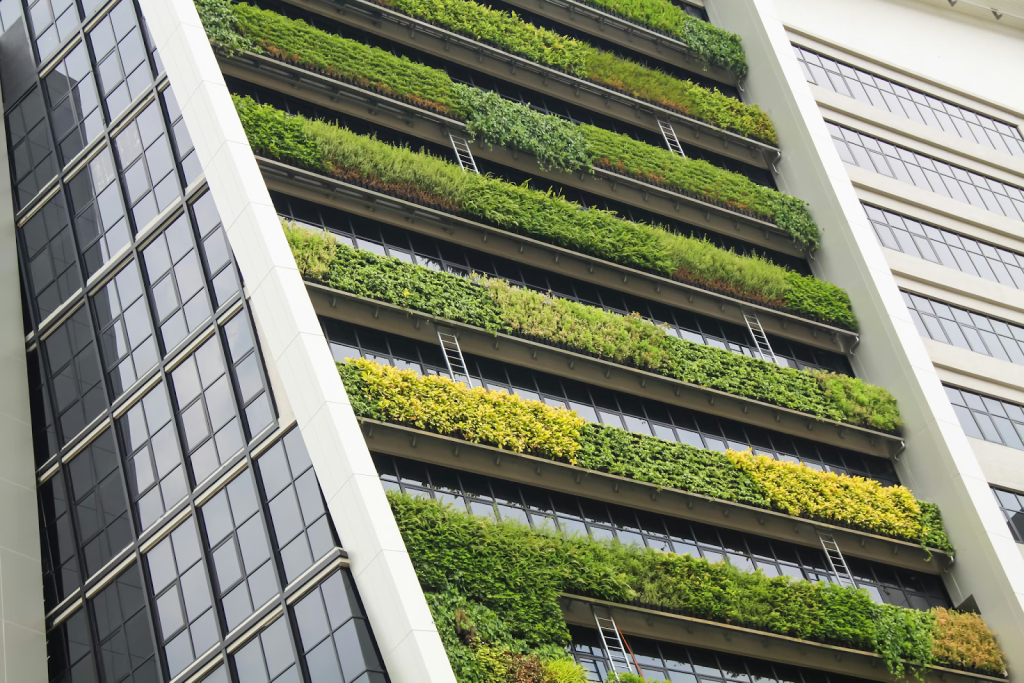
- Green Roofs: Install green roofs to improve indoor environmental quality, support biodiversity, reduce urban heat island effects, and provide natural insulation that lowers heating and cooling needs.
- Natural Ventilation: Design buildings with strategically placed openings, operable windows, and ventilation shafts to enhance airflow, improve indoor air quality, and reduce reliance on mechanical ventilation systems.
- Sustainable Architecture: Employ design principles that prioritize energy efficiency, material conservation, renewable energy integration, and the long-term sustainability of the building throughout its lifecycle.
- Renewable Energy: Incorporate renewable energy systems such as solar cells, wind turbines, or geothermal energy solutions to achieve energy independence and reduce the building’s carbon footprint.
- Natural Lighting: Optimize window placement, skylights, and reflective surfaces to maximize natural light, enhancing occupant well-being and reducing the energy needed for artificial lighting.
- Sustainable Elements: Implement rainwater harvesting, greywater recycling, and other water-saving systems to conserve water resources and reduce the environmental impact of water consumption.
- Energy Performance: Design buildings to exceed current energy performance standards, using energy modeling and monitoring tools to ensure the building operates efficiently over its entire lifecycle.
- Green Building Certifications: Aim for certifications such as LEED or equivalent programs to demonstrate the building’s commitment to sustainability and adherence to recognized environmental standards.
- Natural Habitat: Preserve existing vegetation, protect native flora, and integrate green spaces into building sites to support local ecosystems and enhance biodiversity.
- Energy-Efficient Heating and Cooling: Install systems like geothermal heat pumps, high-efficiency boilers, and energy recovery ventilators to reduce energy consumption and maintain consistent indoor comfort.
- Carbon-Neutral Office Buildings: Strive to balance carbon emissions through renewable energy use, carbon offsets, and sustainable operational practices, aiming for net-zero carbon footprints.
- Operational and Maintenance Practices: Implement sustainable maintenance strategies such as regular HVAC inspections, low-VOC cleaning products, and optimized energy use to ensure the building remains efficient throughout its life.
- Local Ecosystems: Landscape with native plants and design outdoor spaces to support local wildlife, reduce water usage, and maintain ecological balance.
- Sustainable Transportation Methods: Encourage cycling, walking, and public transit use by providing bike racks, showers, and easy access to transit hubs, reducing the building’s transportation-related emissions.
- Recycled and Reclaimed Building Materials: Use salvaged wood, recycled steel, and other reclaimed materials in construction to reduce demand for new resources and lower the building’s overall environmental footprint.
- Adaptation of Existing Buildings: Retrofit older buildings with sustainable technologies, efficient systems, and renewable energy solutions to improve energy performance and reduce environmental impact without the need for new construction.
Conclusion
Sustainable building design is crucial in addressing the environmental and health challenges posed by climate change. By integrating energy efficiency, renewable energy systems, and environmentally responsible materials, buildings can reduce their carbon footprint while promoting occupant health and comfort.
Embracing these strategies ensures that both new and existing buildings contribute positively to the environment and society. Thoughtful design, careful material selection, and ongoing sustainable maintenance practices create resilient structures capable of withstanding climate-related challenges while enhancing quality of life for all occupants.
