

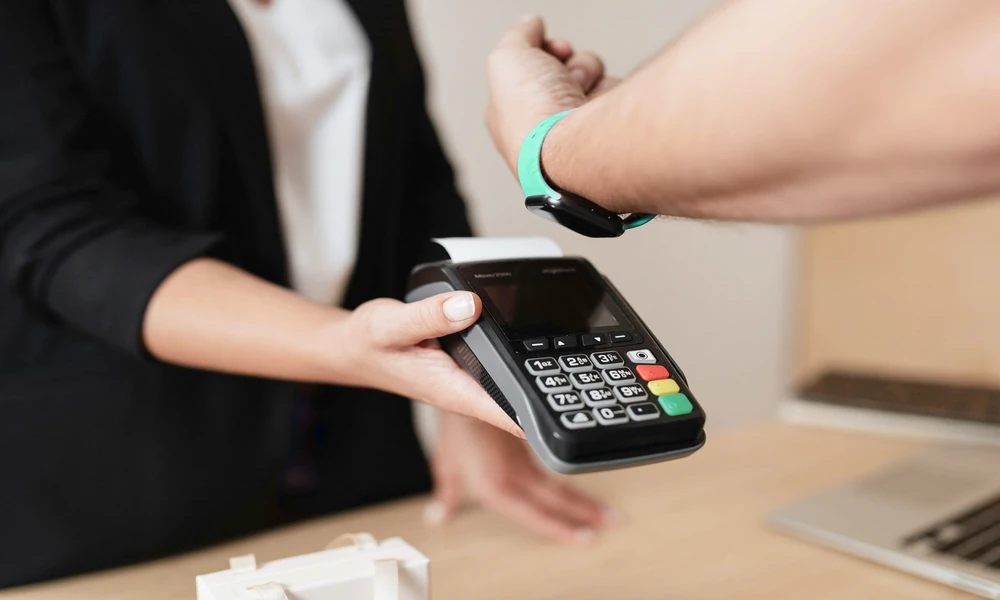
The checkout process is one of the most important sections of the customer journey. A difficult or lengthy checkout may lead consumers to abandon the purchase, even if they’ve found the product they need. Today’s retailers are thus turning their attention to checkout friction and ensuring that the checkout journey is quicker, easier, and more convenient for their customers.
As shopping habits continue to evolve, businesses are paying closer attention to every step that can slow down or complicate a purchase. Modern Retailers Reduce Checkout Friction by identifying common obstacles such as limited payment options, lengthy forms, unclear costs, and poor mobile experiences. By addressing these issues early, retailers can create a more seamless path from product selection to completed purchase while making customers feel more confident and comfortable during the transaction.
Providing alternative ways to pay.
A simple way to decrease friction is to provide a variety of payment methods. Credit cards, debit cards, digital wallets, bank transfers or buy-now-pay-later services are options that customers may like. Giving customers a choice lets them pay the way they’re accustomed to, streamlining the checkout process.
Improving the checkout process to be more user-friendly.
Customers may not complete a sale when they are required to fill out lengthy forms and provide unnecessary information. Modern e-commerce stores are soothing checkout pages to streamline essentials. Customers who have purchased from you before may find it much quicker to return, as the payment process may be faster, with saved customer information, autofill and one-click purchasing included.
Providing Guest Checkout
Creating barriers that customers have to cross before buying can be unnecessary. Guest checkout lets customers check out and pay without creating an account. Even after purchase, retailers can provide customers with the opportunity to create an account, as they know the brand better now.
Improving Mobile Checkout
Many consumers shop online on their mobile devices. As a result, retailers are optimising checkout pages for smaller screens and making buttons easily accessible, forms simple to complete, and pages load quickly. Mobile payment options also make it easier for customers to make purchases without having to re-enter card details.
Increasing Transparency
One of the primary reasons for cart abandonment is unexpected costs. Retailers today minimise this issue by offering shipping costs, taxes, delivery schedules and return policies as early as they can. Clear pricing lets customers decide and minimises unpleasant surprises at the last-minute payment stage.
The use of Automation and Smart Technology
Automation can guide the checkout to run more effectively by keeping track of preferences, suggesting appropriate delivery methods, and recognising repeat customers. Automated reminders are one of the great tools for retailers to recover abandoned carts. They minimize manual workload and improve customers’ buying experience.
Establishing a secure, trustworthy relationship with users.
When they feel at ease that their payment and personal information is protected and encrypted, customers are more likely to finish the transaction. The use of clear security protocols, trusted payment gateways, secure connections, and simplified privacy policies can improve and foster trust during the checkout process.
In the end, retailers need to have knowledge to where customers get tripped up, confused or uncertain as they check out. Retailers can streamline the checkout process, give reasonable payment choices, enhance mobile customer experiences, offer clear pricing and apply technology efficiently, all of which can help to reduce friction. Modern retailers can help eliminate friction by simplifying checkout, offering flexible payment options, enhancing mobile customer experiences, communicating pricing transparently, and using technology effectively. This can not only decrease the number of carts left behind, but it can also enhance customer satisfaction and drive repeat sales.
