

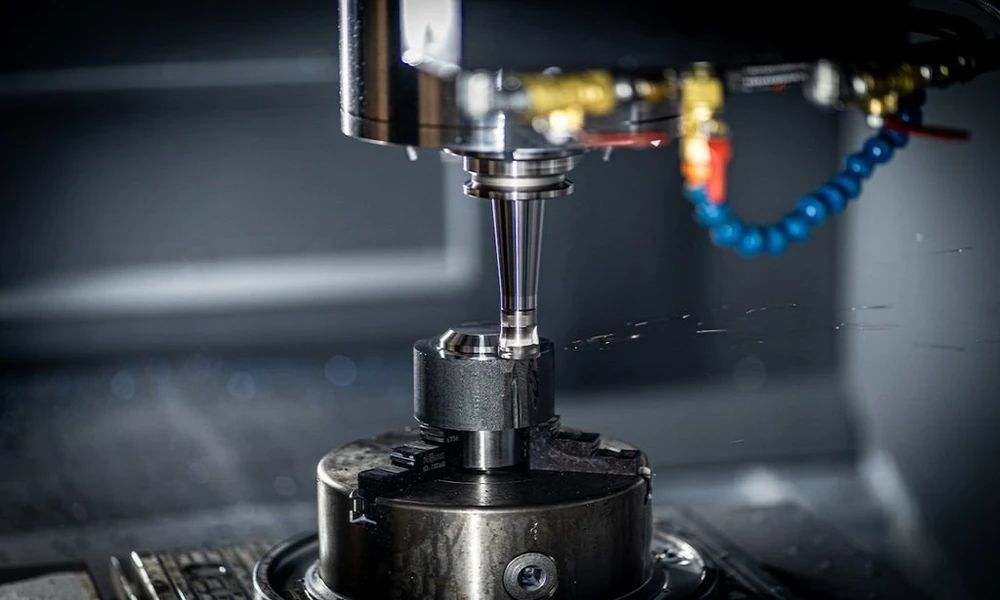
Product quality often depends on microscopic details. Tiny measurement errors create fitment issues later. Across modern factories, precision machining safeguards dimensional accuracy. It keeps components aligned with design intent. Through advanced tooling and process control, Vietnam Precision Machining helps manufacturers achieve dependable results across production batches while reducing costly variations.
Precision Starts Before Material Removal
Strong quality outcomes begin before cutting starts. Machine settings require careful calibration and verification. Engineering teams review tolerances before production begins. Every programmed movement serves a defined purpose. When dimensions remain within specification limits, assemblies fit properly and finished goods perform according to design expectations.
Why Do Tight Tolerances Matter So Much?
A fraction of a millimeter changes performance. Consider a gearbox housing with slight deviation. Misalignment creates friction and premature wear. Precision machining prevents those issues through accurate tool paths. While appearance matters for finished products, dimensional integrity influences long-term reliability far more directly.
Key advantages include:
- Better component interchangeability
- Reduced assembly disruptions
- Lower scrap generation
- Longer operational lifespan
Process Stability Creates Repeatable Results
Manufacturers value repeatability for practical reasons. Production schedules rely on predictable component quality. Inspection systems track measurements throughout machining cycles. During high-volume manufacturing, Vietnam Precision Machining delivers repeatable specifications across thousands of identical units. That reliability protects downstream operations from unexpected interruptions and unnecessary corrective actions.
How Technology Strengthens Quality Benchmarks
Modern equipment contributes far beyond speed improvements. Digital controls maintain exact positioning during operations. Integrated measurement tools verify critical dimensions immediately. Real-time monitoring identifies deviations before larger issues emerge.
Important capabilities include:
- Automated tool compensation functions
- Multi-axis movement accuracy
- Integrated dimensional verification
- Advanced surface finishing control
- Production traceability records
Each feature contributes measurable value during manufacturing.
Quality Standards Depend on Material Precision
Material behavior affects machining outcomes significantly. Hardness variations influence cutting performance and surface finish. Skilled operators adjust parameters according to material characteristics. A medical component, for example, requires stricter dimensional control than decorative hardware. Those application-specific requirements shape machining strategies and inspection priorities throughout production.
Where Accuracy Delivers Lasting Business Value
Reliable manufacturing extends beyond product appearance. Precise dimensions reduce warranty concerns and field failures. Purchasing teams gain confidence in supplier performance. Engineering departments spend less time resolving avoidable issues. When inspection records confirm repeatable measurements, decision-making becomes faster across the entire production chain.
From Measurement to Manufacturing Success
A gearbox housing, medical fitting, or electronic enclosure succeeds through exact dimensions. Inspection systems, calibrated equipment, and material-specific machining choices create that outcome. The greatest value appears later, when assemblies fit immediately and products operate without unexpected failures. Precision machining shapes trust long before customers ever see the finished component.
