

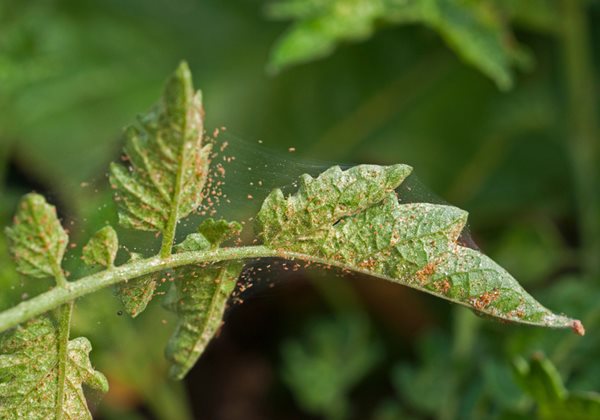
Spider mites are especially common in hot, dry environments, particularly where their natural predators have been destroyed by insecticide use. Some of the many species found in North America are predators of plant-feeding mites, which comprise the vast majority. They are also extremely prolific, which is why big infestations can go neglected until plants begin experiencing damage.
Large populations often come with fine webbing. Strawberry, melons, beans, tomatoes, eggplant, decorative flowers, trees, and the majority of houseplants are examples of host plants. In this post, we will go over all you need to know about spider mites, particularly how to identify them and prevent damage, as well as how to properly get rid of them. Click here to know more about how to eradicate these pests from your home.
Ways to get rid of spider mites from your home
Spider mites are difficult to identify with the human eye, allowing them to enter our gardens unnoticed. They consume sap from plant cells on the innermost layer of leaves with their piercing-sucking mouthparts.
Large infestations result in visible harm. The leaves first indicate patterns of tiny yellow spots called stipules. They can change color, curl, or fall off. Certain plants, such as the azalea, might have deformed leaves and flowers as a result of this damage.
The mites’ activity is apparent in the tight webs that grow beneath leaves and along stems. Sometimes, these signs and symptoms are confused with drought stress.
How to Detect and Prevent Spider Mite Damage.
-
Regular inspections
Regular plant checks are one of the best defenses you have to safeguard your plants. A 10x loupe would help greatly. Inspect a few of your plants once every 3-5 days to see if any of their leaves have white or yellow dots.
-
Use a 10x hand lens
If you find any, with a 10x hand lens, look also at the lower part of the leaf. If you see webbing or mites, you need to treat the plant. You can always use a white paper if you do not have a lens scope.” I took my lens out of my pocket.
If you do not have a hand lens, put a sheet of white paper under the plant foliage, and rap the plant material sharply. The spider mites will fall off the leaf onto the paper.
-
Isolate the plant
If you find spider mites while inspecting plants, you should isolate them from other plants to prevent the spider mites from spreading. If this is not possible, quick mite treatment must be performed to prevent a serious infestation in your garden plants.
How to Manage and Remove Spider Mites
Chemical pesticide use actually promotes the spread of spider mites by eliminating the helpful insects that eat them. Mites are also known to develop rapid resistance to a variety of insect repellents. For these reasons, it is important to control mites using natural and organic approaches.
-
Prune your plants
Prune stems, leaves, and other affected plant parts well beyond any webbing and dump them in the trash (not compost piles). Never be afraid to pluck entire plants to keep the mites from spreading to their neighbors.
-
Water plants properly
It is also essential to remember that water stress makes trees and plant life more vulnerable to mite infestations. Ensure that the plants are properly watered.
-
Spray with water
For the pests you have, bathe plants with a strong spray of water to remove the pests, or you can spray them with bug spray. And dust on branches, leaves, and fruit invites mites. A mid-season hosing (or two!) to remove dust from the trees is a good prophylactic.
-
Use horticultural oils
Where infestations are severe, insecticidal soaps or botanical insecticides may be used as a spot treatment. When the growing season begins or late in the fall, make sure you treat your fruit trees with horticultural oil, as it can help prevent overwintering eggs.
