

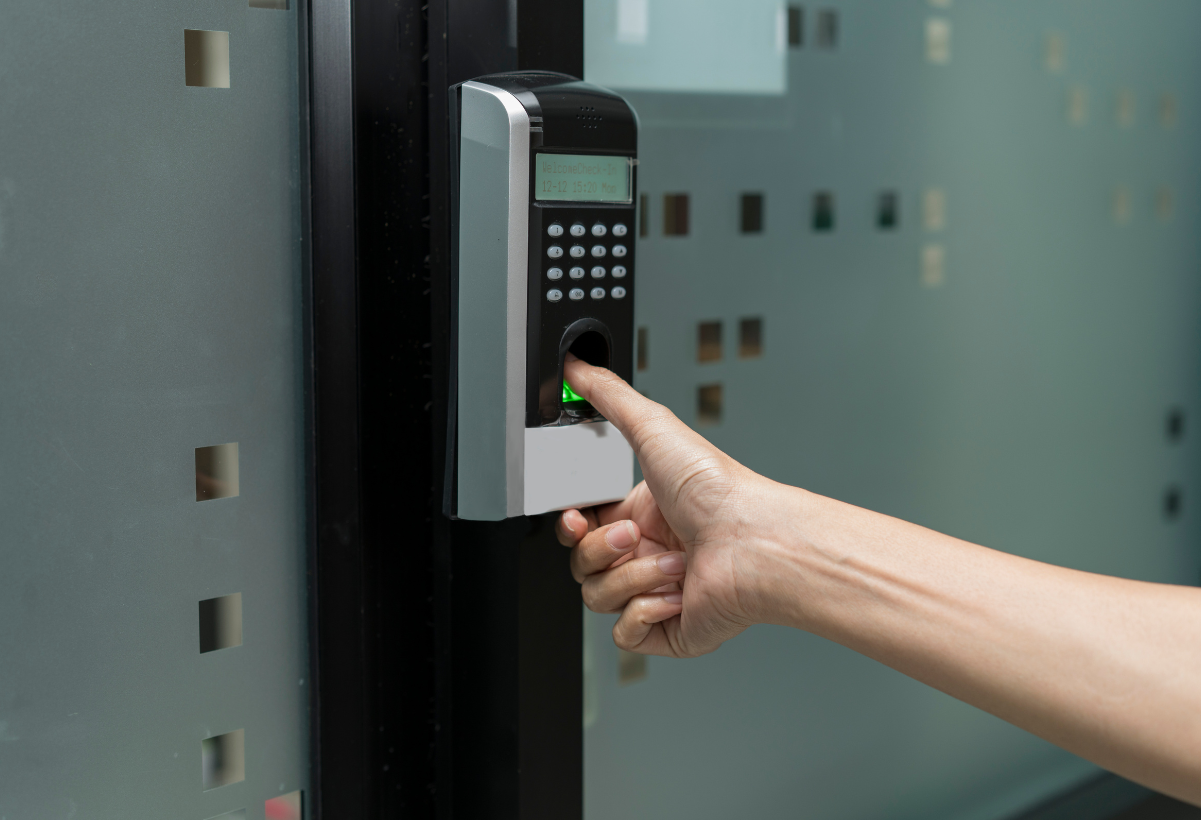
Modern workplaces demand steady protection with smooth movement for every team member. Clear entry rules build trust while guiding daily routines with order. Strong planning supports safe rooms while keeping tasks flowing without delay. Reliable design helps managers balance privacy with teamwork. The goal is simple control that respects people while guarding resources. Smart structure reduces confusion during busy hours while keeping access visible for supervisors through access control systems.
Reliable Entry Management Methods
Reliable entry management shapes how people move through shared buildings each day. A planned structure prevents crowding while keeping sensitive zones protected. Staff feel confident when rules are fair and easy to follow. Leaders gain clarity over who enters critical rooms at any moment. Proper tracking supports calm routines without slowing regular duties.
• Clear identity checks strengthen trust while reducing internal confusion during busy periods
• Consistent permission rules guide movement without creating tension among staff groups
• Simple verification steps lower risk while supporting smooth, organized daily routines
• Visible monitoring presence encourages responsibility across teams sharing common areas
• Structured approval paths maintain order while protecting private operational zones
Employee Movement Flow Balance
Smooth movement inside a building supports productivity without sacrificing safety. Workers perform better when transitions between rooms stay quick yet controlled. Predictable pathways reduce stress during peak hours. Organized entry points help supervisors observe patterns with less effort. Balanced planning creates harmony between independence and accountability.
Data Protection Through Permissions
Permission design shields sensitive information from unwanted handling. Each worker receives rights aligned with their duties. Limited clearance protects valuable material while reducing temptation. Accurate logs allow quick review if irregular behavior arises. Management gains confidence through measurable control over internal information. Strong encryption pairs with access control systems to defend records without disrupting everyday responsibilities.
Automated Monitoring Advantages
Automation reduces human error while strengthening protective layers around shared spaces. Intelligent alerts notify leaders before small issues grow larger. Real-time observation supports faster decisions during unusual activity. Staff members trust environments where protection feels consistent. Structured automation connects hardware with thoughtful planning. Balanced access automation saves time while raising awareness of building activity.
• Instant alert signals highlight unusual motion without delaying regular workflow
• Scheduled locking routines protect assets while supporting predictable daily schedules
• Continuous observation records patterns that assist long-term planning decisions
• Integrated tracking tools simplify review without adding workload for supervisors
• Automated approval settings maintain discipline while encouraging operational stability
Workplace Accountability Culture Growth
Security planning influences behavior across entire organizations. When expectations stay clear, people follow shared standards naturally. Visible systems remind teams that responsibility belongs to everyone. Fair enforcement reduces conflict while encouraging cooperation. Leaders model respect for rules, which shapes group habits. Transparent access policies build confidence while discouraging careless actions.
Scalable Infrastructure Planning
Growing organizations require systems that expand without disruption. Flexible architecture adapts to new rooms with evolving staff roles. Early investment in structured design prevents costly rebuilding later. Modular components allow upgrades without halting daily operations. Strategic planning links technology with human workflow.
Careful coordination across planning technology with human behavior creates safer professional spaces. Balanced structure protects assets while allowing teams to move freely with purpose. Leaders who review permissions often prevent confusion before it spreads. Ongoing training reinforces awareness so systems stay effective over time.
FAQ
Why do modern offices require structured entry supervision for daily protection?
Structured supervision reduces internal risk while guiding consistent, responsible employee behavior.
Can automated permission design improve accountability among growing professional teams?
Yes, automation creates records that support fairness while reinforcing clear operational expectations.
Does scalable planning help organizations maintain safety during rapid internal expansion?
Scalable planning preserves stability while allowing smooth adjustment to changing workforce needs.
