

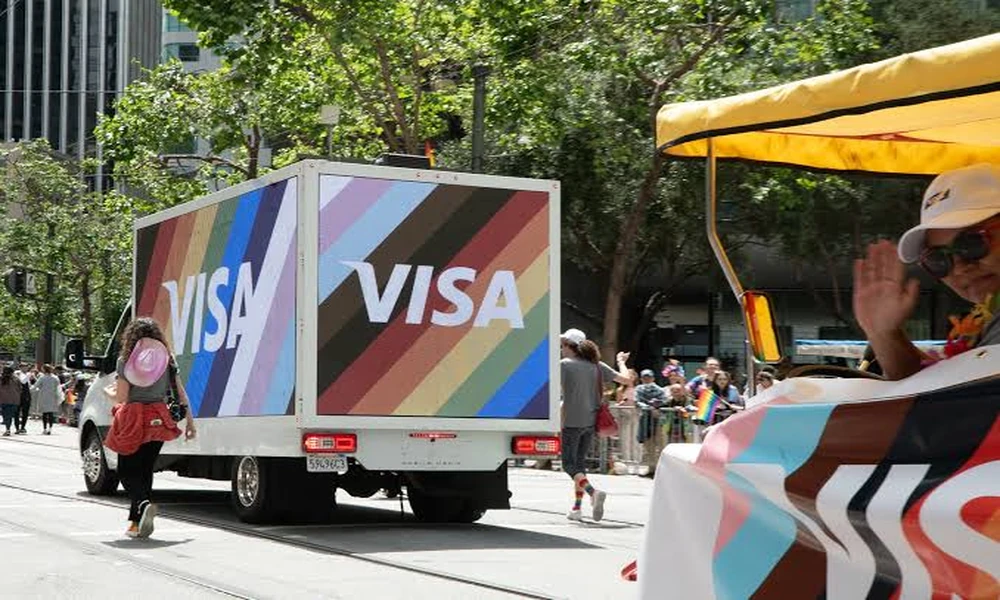
Sports event organisers turn to mobile LED billboard services because a stadium crowd forms and disperses far faster than traditional advertising can react. There isn’t much space for advertising that takes days to set up, especially when ticket sales, sponsor visibility, and scheduling changes are all happening as people arrive, park, and walk toward a gate. They can be moved and deployed as quickly as events themselves due to their mobility. A mobile advertising truck parks near stadium entrances, tailgate zones, and transit drop-off points, carrying sponsor messaging and event updates directly to a crowd that static signage around a venue often struggles to reach in time.
Kickoff window flexibility
Kickoff windows leave almost no margin for advertising that can’t adjust on short notice, which is exactly where mobile LED billboard services find their advantage. There is a compressed window of time during which a stadium could fill up rather than gradually over a week, which changes what kind of advertising is effective. In a fixed venue, signs are booked months in advance and seldom change, leaving little opportunity for sponsors to update, schedule shifts at the last minute, or promotions related to a specific game. In mobile LED units, this issue is solved as content can still be changed remotely even after a truck has already been parked and is running.
Sponsor logo rotation
• Dedicated slot rotation – Sponsor logo rotation gives every paying sponsor a fair share of visibility instead of one name dominating a fixed board for an entire event. Sponsors pay for exposure tied to a specific event, not a vague promise of general brand awareness spread across a season. Mobile LED billboard services let organisers guarantee that exposure by parking a display exactly where the densest part of the crowd will see sponsor logos and messaging, whether that’s a main entrance, a tailgate lot, or a route leading toward will-call. Multiple sponsors can share a single display across a game day, each getting a dedicated slot rather than competing for space on one fixed sign.
• Pregame content cycling – keeps a sponsor’s message fresh throughout hours of buildup rather than static and easy to ignore. Because content updates remotely, a sponsor’s message can rotate through the pregame window, staying present without repeating the same static frame for three straight hours. A logo shown at four in the afternoon can hand off to a different sponsor entirely by six, all without touching the physical unit or interrupting the display for even a moment.
Tailgate lot coverage
Often, tailgate lot coverage outnumbers inside coverage because people spend hours outside a venue. It is not uncommon for tailgate areas and parking lots to hold more people than stadiums. As people wait outside the venue for tickets to be scanned during these hours, mobile ads can directly reach them. The coverage would require dozens of static installations, and even then, none of them could be repositioned once the lot started emptying after the game.
Mobile LED billboard services give sports event organisers a format that moves at the same pace as their events do. Kickoff window flexibility, sponsor logo rotation, and tailgate lot coverage all point to the same advantage: a display that adjusts to the crowd instead of waiting for the crowd to walk past it.
